Mobilization Risks for Metallurgists: How ArcelorMittal's Shutdown Threatens Workforce Deferments
Thousands of workers at ArcelorMittal Kryvyi Rih face losing their mobilization 'reservation' status as production halts lead to lower wages, failing government criteria.
 🧠AI Analysis
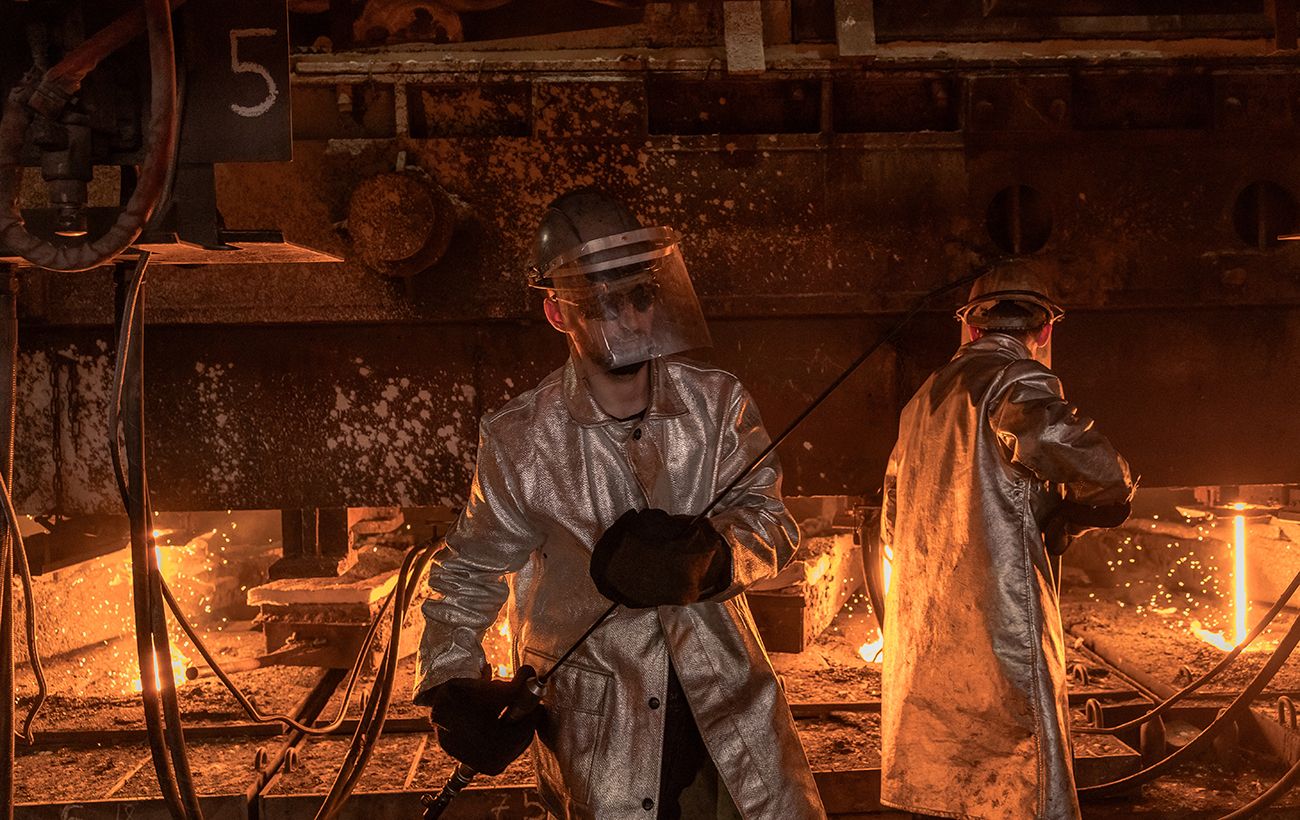
Photo: RBC-Ukraine
Key points
- Wage drops during downtime disqualify metallurgists from mobilization deferment.
- Experts advocate for removing wage thresholds for critical enterprises.
- Losing unique industrial specialists would jeopardize future economic recovery.
Due to the forced shutdown of production facilities at the ArcelorMittal Kryvyi Rih plant, thousands of skilled workers are facing the threat of losing their mobilization deferment rights. The primary cause is a legal conflict: during enterprise downtime, employee wages decrease, which automatically disqualifies them from the 'economic reservation' criteria requiring an income of at least three minimum wages.
Serhiy Bilenkyi, head of the Federation of Metallurgists of Ukraine, emphasizes that downtime pay is legally lower than regular wages, causing specialists to 'automatically drop out' of the reservation system. This creates a critical situation for the industry, as maintaining human capital is essential for future production recovery. Experts are urging the Cabinet of Ministers to revise the conditions for granting deferments to enterprises with critical status that are forced to suspend operations due to security risks.
The Need for a Special Reservation Mechanism
Member of Parliament Olena Kryvoruchkina supported the initiative to extend the critical status for such enterprises for one year without linking it to wage levels. In her view, this would preserve specialists in unique professions whose training takes decades. Anatoliy Kinakh, President of the Ukrainian League of Industrialists and Entrepreneurs, also believes the government should develop a special mechanism accounting for objective reasons for downtime and the feasibility of recovery plans.
Experts specifically highlight the need to retain blast furnace operators, steelmakers, and coke-chemical workers. As Anatoliy Starovoyt, Director General of the Ukrkoks Association, noted, only experienced personnel can correctly transition coke batteries into cold conservation and later return them to operation. Losing such specialists could make the plant's restoration impossible even after the cessation of hostilities.
On October 10, ArcelorMittal Kryvyi Rih management officially announced the decision not to resume production due to unacceptable risks to personnel following a series of large-scale attacks. Currently, equipment is being transitioned into cold standby mode, though the international group has confirmed its intention to remain in Ukraine and return to work when security conditions permit.
Source RBC-Ukraine — rbc.ua/ukr/news/tisyachi-metalurgiv-arcelormittal-kriviy-1795181100… ↗
Read next
 🛡️Security
New wave of nuclear blackmail: Medvedev outlines conditions for WMD use
Deputy Chairman of the Russian Security Council Dmitry Medvedev has once again threatened the use of nuclear weapons against Ukraine.
 🇺🇦Ukraine
European Commission Comments on Moscow Invitation and Future Negotiation Format
The European Commission acknowledges the invitation from Russia for a visit to Moscow, but continues to prioritize multilateral negotiation formats.
 🇺🇦Ukraine
NATO Secretary General Mark Rutte rejects Russia's '1997 borders' demand
NATO Secretary General Mark Rutte has dismissed Russian proposals to return the Alliance to 1997 security arrangements, calling them unacceptable.
 🛡️Security
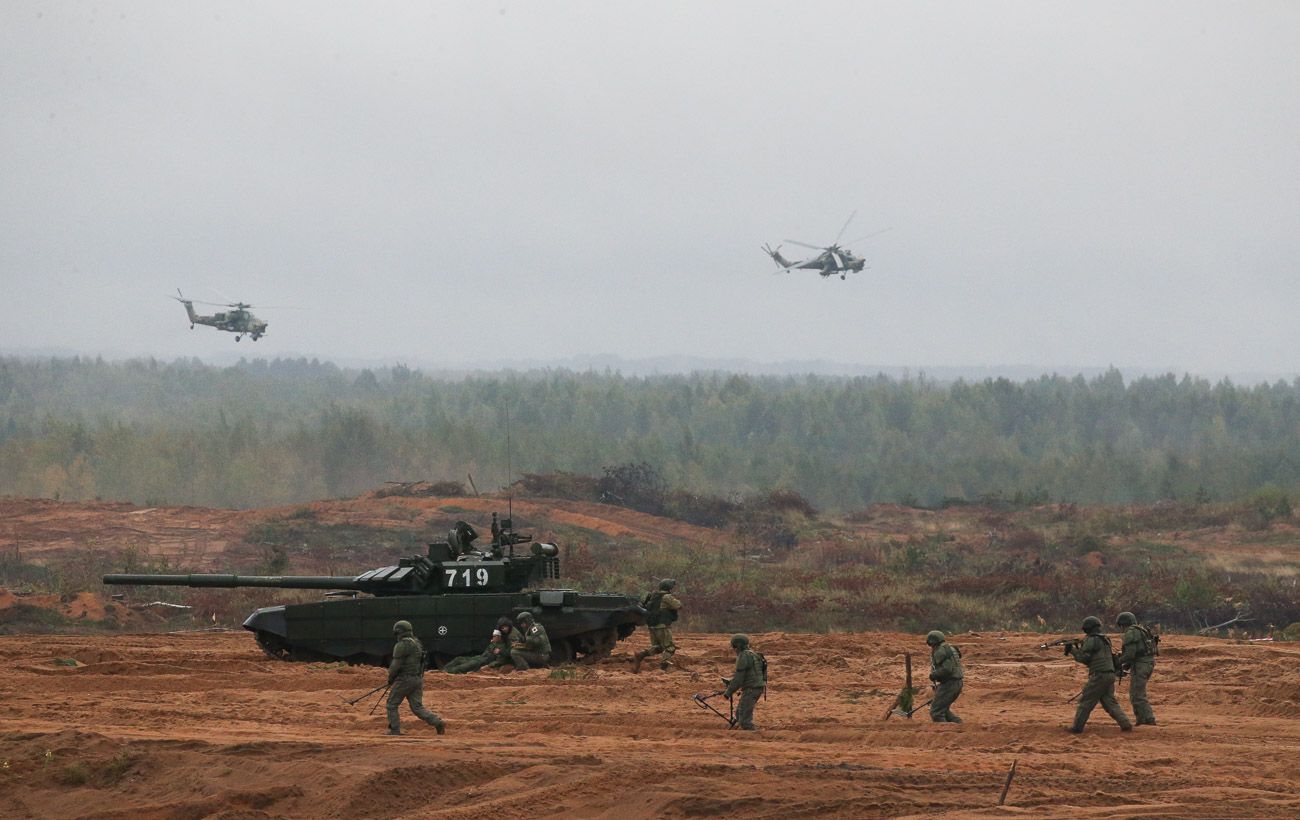
Russia Expands Military Infrastructure 60km from Finnish Border
Satellite imagery reveals significant reconstruction at the Kamenka garrison, aimed at increasing troop capacity and training capabilities near the NATO border.
 🇺🇦Ukraine
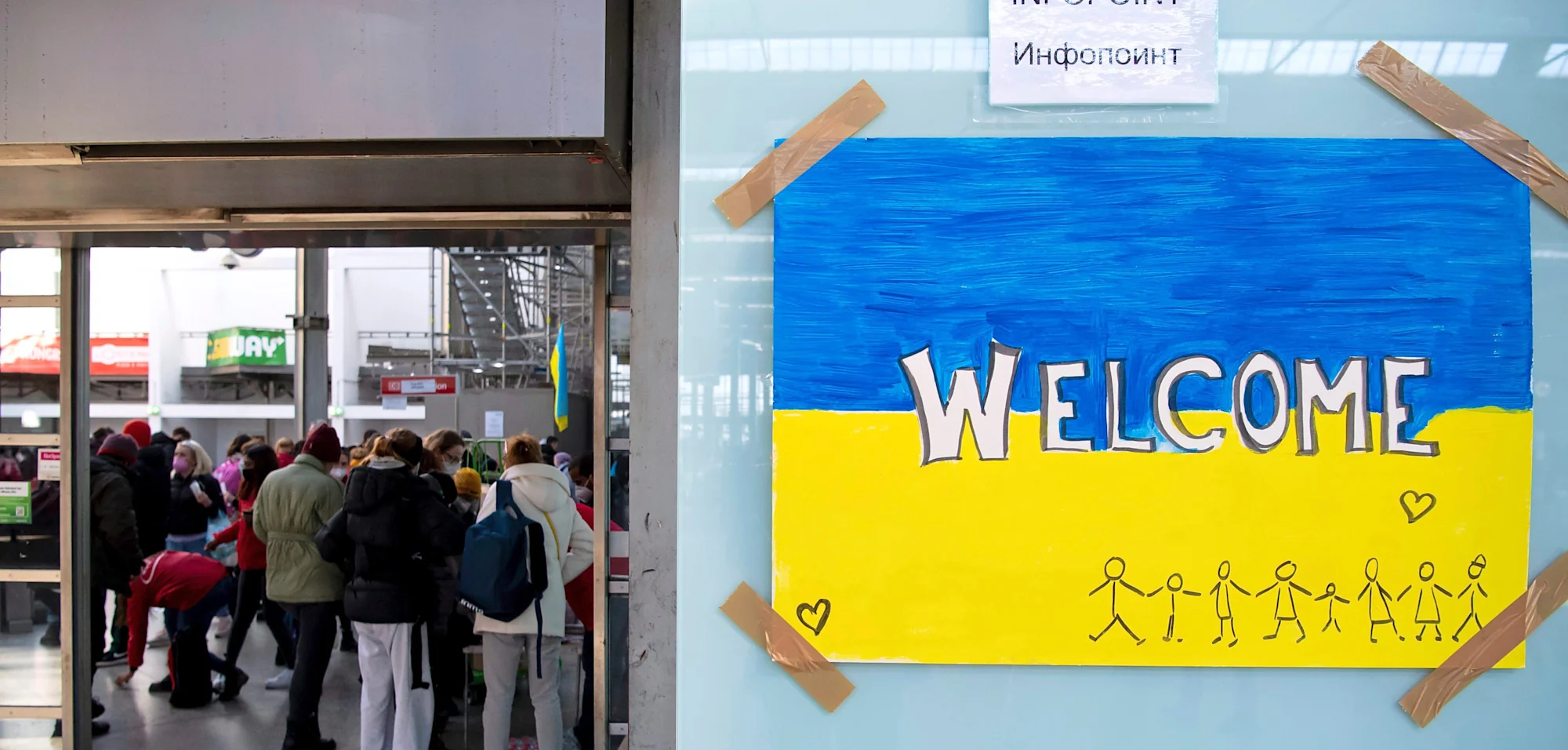
Munich to Repurpose Former BMW Offices as Housing for Ukrainian Refugees
Munich city authorities have leased part of a former BMW administrative complex to house 600 refugees, primarily from Ukraine, starting this December.
 🛡️Security
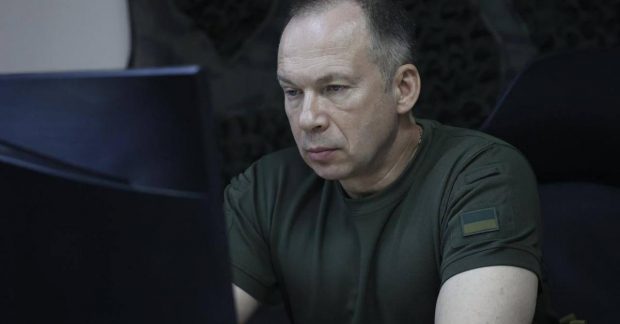
Oleksandr Syrskyi Outlines Key Lessons of the Russian-Ukrainian War for the Global Community
The former Commander-in-Chief of the Armed Forces of Ukraine outlined three main takeaways from the full-scale conflict for other nations at the Halifax International Sec…